
Side Sewer Repair in Snohomish County: Who Owns the Line and What It Costs
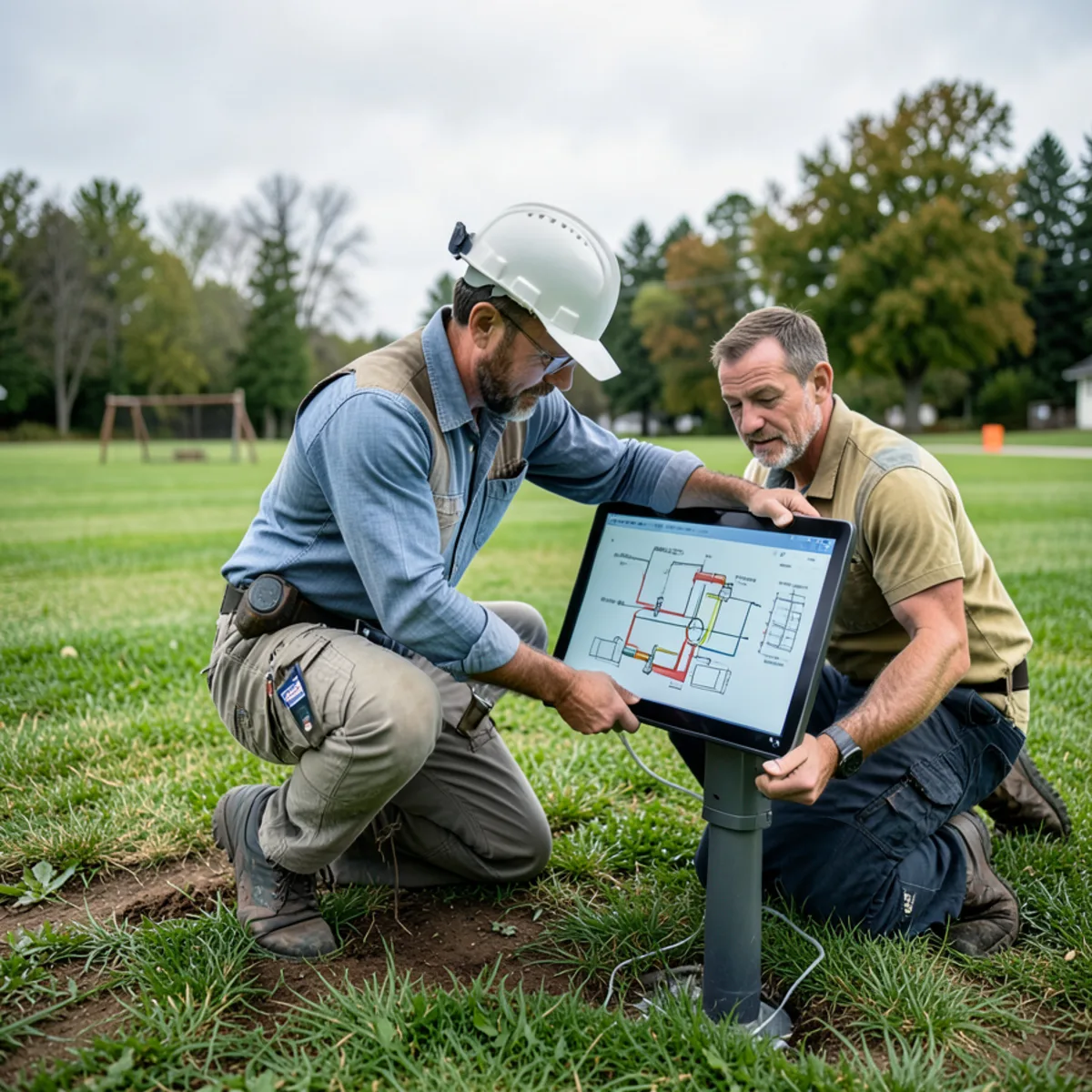
In Snohomish County, side sewer repair or replacement typically costs between $4,500 and $14,000, with localized trenchless spot repairs starting around $2,500 to $4,000 and complex public right-of-way street excavations exceeding $18,000. Many property owners are shocked to learn that municipal codes across Snohomish, Everett, and Marysville place 100% of the financial and maintenance responsibility for the private side sewer lateral on the homeowner—all the way from the foundation wall to the city collector main in the center of the street.
When tree roots crack brittle clay pipes, ground shifting causes bellies, or older cast-iron lines corrode, timely action is critical to prevent raw sewage backups into finished basements. Understanding ownership boundaries, comparing trenchless CIPP lining versus pipe bursting, and identifying required municipal permits allows homeowners to navigate side sewer repairs efficiently without unnecessary landscape destruction.
Ownership Demarcation: Private Side Sewer vs Municipal Collector Main
Why Homeowners Own the Pipe Under the Public Sidewalk and Street
A fundamental source of homeowner confusion during a sewer backup is property line demarcation. Most residents assume that their legal responsibility ends at their front property boundary or sidewalk curb. However, under municipal plumbing and public works ordinances across the City of Snohomish, City of Everett, Marysville, Lynnwood, and Edmonds, the private property owner owns the entire side sewer lateral from the exterior building foundation to the municipal sewer main connection (the wye or tee saddle) in the public roadway.
This means that even if a catastrophic pipe collapse, severe joint offset, or aggressive tree root infestation occurs underneath the public planting strip, concrete sidewalk, or paved street asphalt, the property owner remains legally liable for all diagnostic, excavation, and restoration expenses.
The municipality or local sewer utility district (such as Silver Lake Water & Sewer District or Alderwood Water & Wastewater District) is responsible solely for the public collector main that transports combined sewage from multiple residences to the wastewater treatment facility. Because excavating within the public right-of-way triggers mandatory street-opening permits, certified traffic control flaggers, and asphalt paving restoration bonds, catching side sewer deterioration early while it remains on private property saves property owners thousands of dollars.
Get direct advice from an Avenue D technician
We diagnose Snohomish County plumbing emergencies 24 hours a day, 7 days a week.
Realistic Side Sewer Cost Ranges: Trenchless vs Traditional Excavation
Installed Cost Breakdown by Rehabilitation Method
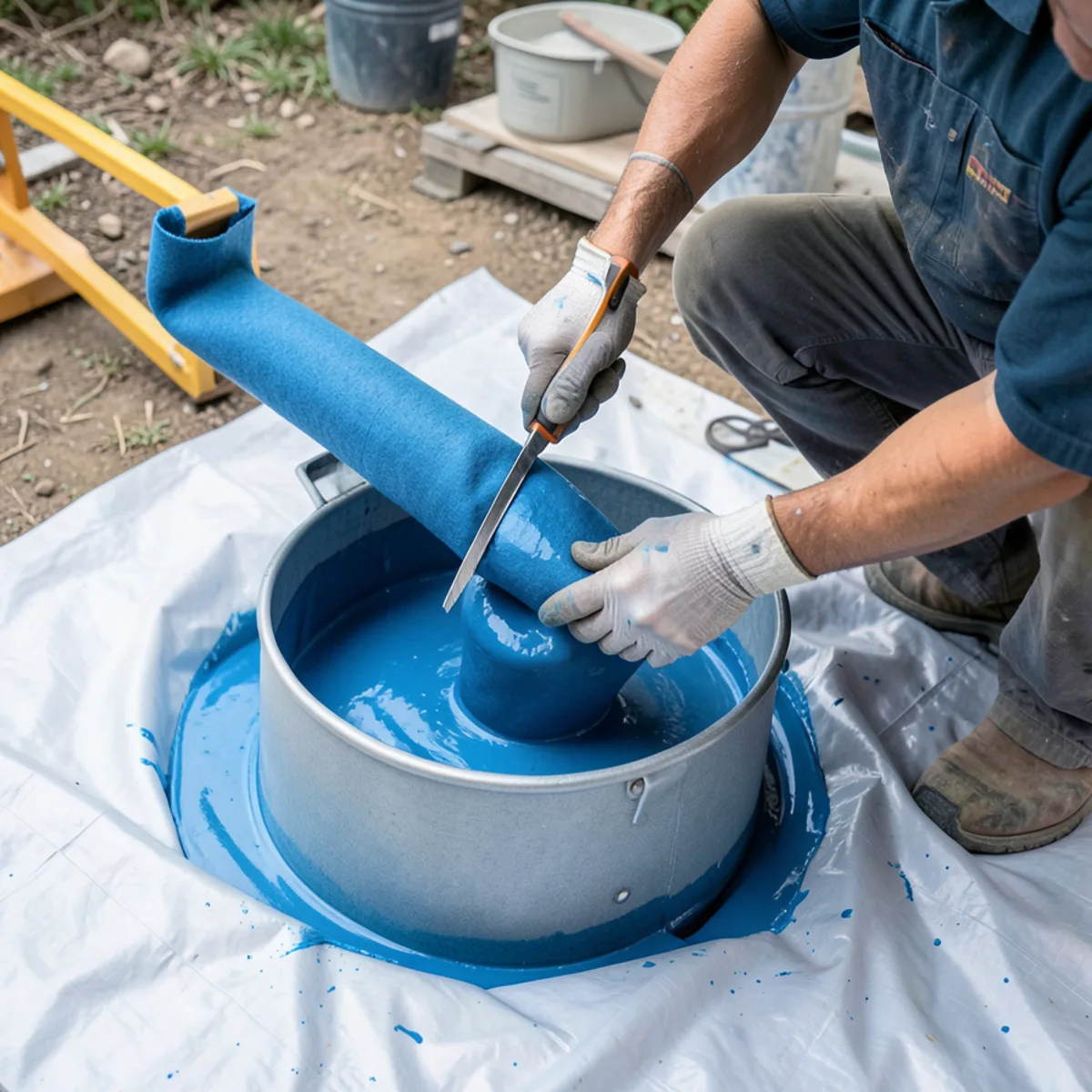
Total project expenses depend on the restoration methodology selected, pipe depth, soil conditions, and total linear footage. Modern trenchless technology has dramatically reduced costs and project timelines by eliminating the need to trench through front yards, retaining walls, and custom driveways.
According to regional contractor cost benchmarks in Western Washington for 2026, the primary side sewer rehabilitation options range as follows:
1. Trenchless Cured-in-Place Pipe (CIPP) Lining: Costs typically range between $150 and $250 per linear foot, with total projects averaging $6,000 to $11,000 for a standard 40-to-60-foot lateral. An epoxy-saturated seamless felt tube is pulled into the existing damaged host pipe through an exterior cleanout, inflated, and cured into a rock-hard, jointless pipe-within-a-pipe. It requires minimal digging, leaves lawns and driveways completely intact, and carries a 50-year design life.
2. Trenchless HDPE Pipe Bursting: Costs range between $120 and $210 per linear foot ($7,000 to $13,000 total). Pipe bursting is chosen when the existing pipe has collapsed, lost roundness, or suffered severe reverse-slope bellies where a liner cannot be pulled. A hardened steel expander head is pulled through the old line, fracturing the brittle clay or concrete outward while simultaneously pulling a continuous, leak-proof high-density polyethylene (HDPE) pipe into place. It requires only two small access pits (one near the foundation, one near the property line).
3. Traditional Open-Trench Excavation: Costs range from $200 to $350+ per linear foot on private property ($8,000 to $16,000+), but can surge past $20,000 to $30,000 if street cutting, deep shoring boxes (8+ feet), and asphalt repaving are required in the public right-of-way.
| Rehabilitation Method | Typical Cost Range | Excavation Footprint | Lawn & Hardscape Impact | Expected Project Duration |
|---|---|---|---|---|
| Trenchless CIPP Epoxy Lining | $6,000 – $11,000 ($150–$250/ft) | Single cleanout access point | Zero landscape or driveway damage | 1 Day (4 to 8 hours) |
| Trenchless HDPE Pipe Bursting | $7,000 – $13,000 ($120–$210/ft) | Two small access entry/exit pits | Minimal spot excavation footprint | 1 to 2 Days |
| Open-Trench Excavation (Private Yard) | $8,000 – $16,000 ($200–$350/ft) | Continuous trench along entire run | Extensive sod, garden, and patio destruction | 2 to 4 Days |
| Public Right-of-Way Street Excavation | $15,000 – $28,000+ (Permits & Paving) | Full street cut with steel road plates | Traffic disruption, curb and asphalt rebuilding | 3 to 5 Days |
Diagnostic Survey: Sonde Transmitters and Color Video Cameras
Eliminating Guesswork Before Excavating or Quoting
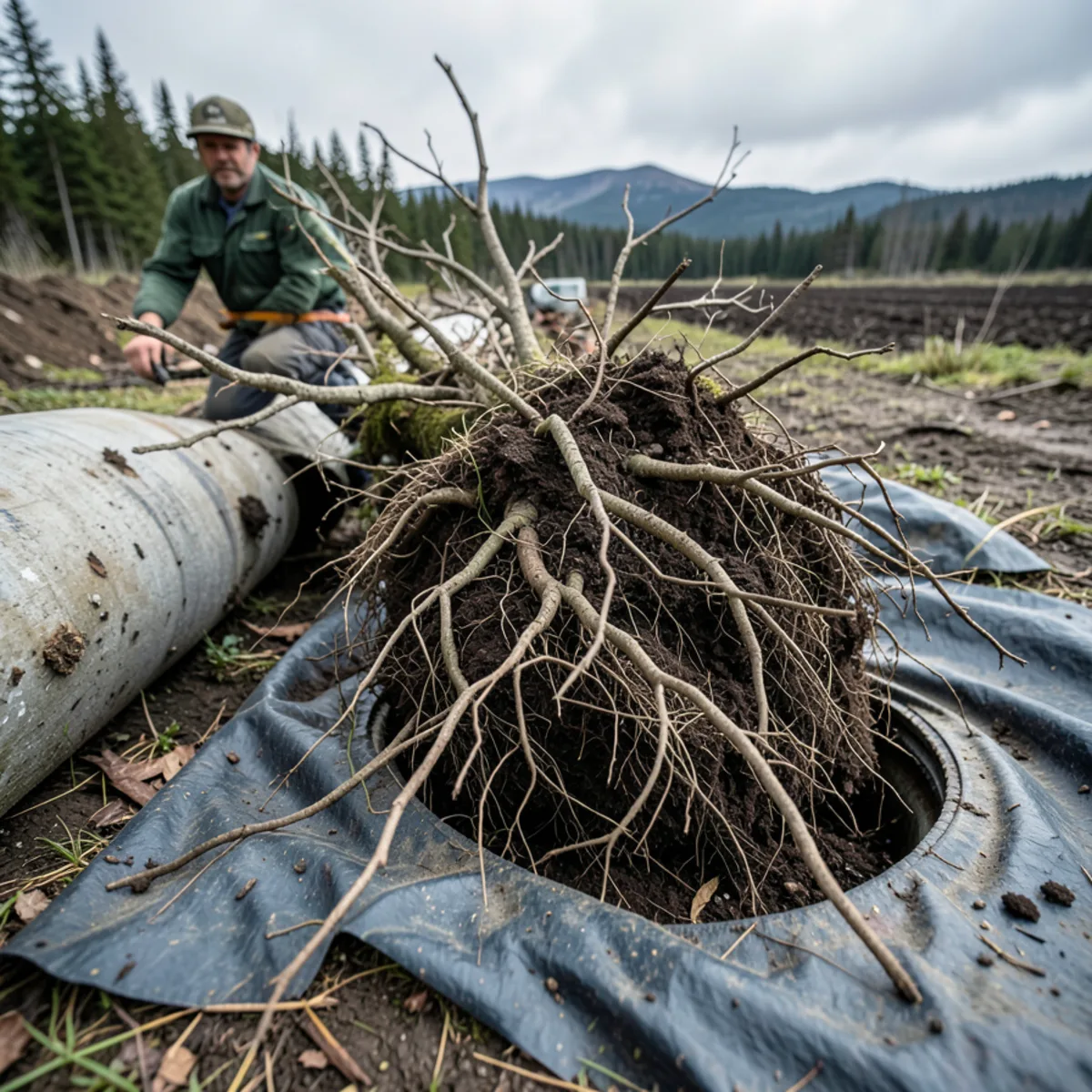
Accurate cost estimation begins with a comprehensive high-definition video camera survey. At Hector Plumbing Solutions, we never guess where a sewer defect lies or propose unneeded trenching.
Our sewer technicians insert a self-leveling fiber-optic color camera equipped with an integrated 512 Hz electromagnetic sonde transmitter into the home's main cleanout. As the camera travels down the side sewer lateral, our digital monitors reveal the exact structural condition of the pipe: hairline fractures, joint separations, root masses, scale encrustation, or ground water infiltration.
Above ground, a technician tracks the camera head using a digital locator receiver, pinpointing the surface location, direction, and exact underground depth of the pipe down to the inch. This diagnostic precision enables us to determine whether a localized 5-foot spot repair is sufficient or if full lateral rehabilitation is required, saving homeowners thousands of dollars compared to blind excavation.
Key Cost Drivers in Snohomish County: Depth, Hardpan, and Street Permits
Variables That Influence Your Total Project Investment
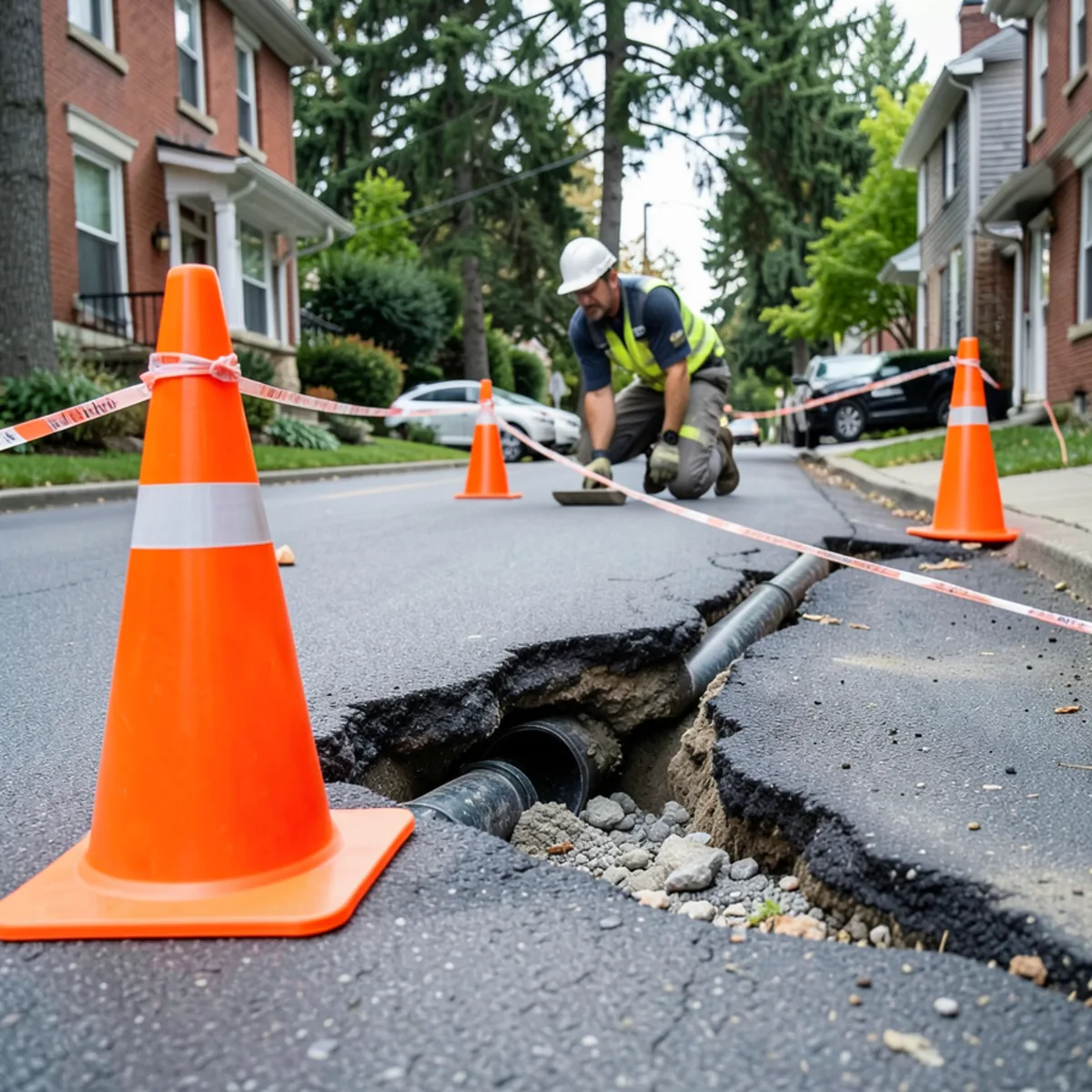
Several physical and jurisdictional factors unique to Snohomish County dictate whether a project leans toward the lower or higher end of the cost spectrum:
1. Burial Depth and Glacial Till: In older neighborhoods in Everett and Snohomish, side sewers may run 4 to 6 feet below grade, whereas hillside properties in Mukilteo or deep connections in Marysville can exceed 10 to 14 feet. Deep excavations require certified OSHA trench shoring boxes to prevent wall collapses, increasing equipment and labor costs. Digging through dense, glacially compacted Vashon till hardpan also requires hydraulic excavators with rock teeth.
2. Surface Hardscape and Landscaping: If the sewer pipe runs beneath concrete walkways, custom paver patios, retaining walls, or asphalt driveways, open-trench digging requires saw cutting, demolition, disposal, and costly surface restoration. Trenchless CIPP lining avoids these surface replacement expenses entirely.
3. Municipal Right-of-Way (ROW) Permitting: If the damaged section extends into the public street, contractors must obtain City Right-of-Way permits, post street restoration performance bonds, provide commercial liability insurance, hire certified Uniformed Police or Flaggers for traffic detour plans, and restore asphalt to strict Washington State Department of Transportation (WSDOT) compaction standards.
- Pipe Depth: Shallow 4-foot lines require standard digging; lines deeper than 8 feet require OSHA trench boxes and hydraulic shoring
- Soil Density: Hardpan glacial till slows excavation rates compared to sandy river valley loam
- Municipal ROW Permits: City street opening fees, traffic control flaggers, and asphalt paving restoration
- Pipe Composition: Vitrified clay, cast iron, and concrete require different cleaning preparations than modern PVC
- Access Cleanout Installation: If the home lacks an exterior 2-way cleanout, installing one adds $1,200 to $2,200 upfront
Early Warning Signs: How to Catch Side Sewer Failure Early
Symptoms That Distinguish a Main Line Problem from a Fixture Clog
Recognizing the subtle warning signs of side sewer failure allows you to schedule maintenance before raw sewage inundates your basement or crawlspace. Unlike a localized hair clog in a bathroom sink, a compromised side sewer produces whole-house symptoms:
First, listen for gurgling toilets when running the washing machine or showering. When the main line is constricted by root masses or sludge, displaced sewer air bubbles back through the lowest plumbing fixtures. Second, observe whether multiple drains back up simultaneously. If flushing a toilet causes water to surge up into the basement shower or floor drain, the main lateral is blocked.
Third, inspect your yard for unexplained lush green patches of grass, depressions, or persistent sewer odors along the underground pipe path. Effluent leaking from cracked pipe joints fertilizes grass and softens surrounding soil, indicating a subterranean structural failure.
Insurance Coverage and Financing Options in Washington State
Navigating Homeowners Policies and Service Line Endorsements
A common misconception among Snohomish County homeowners is that standard homeowners insurance policies cover side sewer repairs. Standard HO-3 policies explicitly exclude damage caused by normal wear and tear, ground settlement, and tree root intrusion.
However, many insurance providers (such as State Farm, PEMCO, Liberty Mutual, and Farmers) offer an optional 'Service Line Endorsement' rider for roughly $30 to $60 per year. If your policy includes this endorsement, it typically provides $10,000 to $20,000 in coverage for underground utility line failures, with a modest $500 deductible.
Hector Plumbing Solutions provides comprehensive video documentation, diagnostic reports, and detailed itemized invoices required by insurance adjusters to expedite claim approval. We also offer flexible financing plans to ensure necessary sewer restorations can proceed without delay.
Frequently Asked Questions
The private property owner is 100% legally and financially responsible for the entire side sewer lateral from the exterior foundation wall to the connection at the public sewer main in the street. This includes portions beneath public sidewalks and roads in Snohomish, Everett, Marysville, and surrounding jurisdictions.
Related Services & Local Coverage
Core Plumbing Disciplines
Service Areas Mentioned
Need Expert Assistance With Your Home’s Plumbing?
Call 24/7 to connect directly with an Avenue D technician ready to dispatch across Snohomish County.