
Snohomish County's Septic Inspection-at-Sale Rule: What It Means for Your House Line
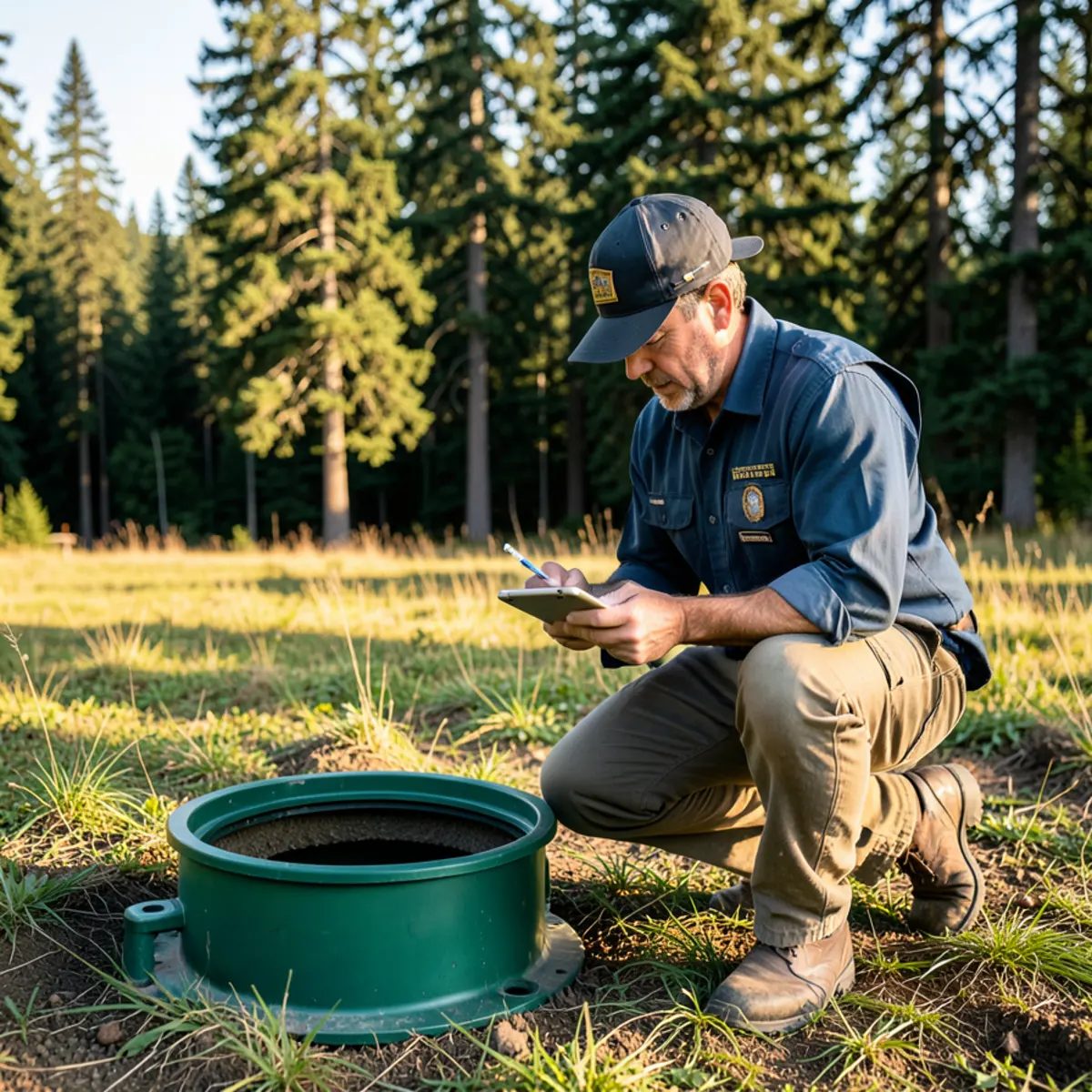
Effective November 1, 2026, the Snohomish County Board of Health mandates that every residential property transfer serviced by an on-site sewage system must include a certified operational septic inspection prior to closing. Across roughly 84,000 private septic systems in Snohomish County, this regulation requires sellers to provide documented proof that their wastewater infrastructure operates safely without discharging untreated effluent or leaking into surrounding soils.
While property owners and real estate brokers routinely schedule tank pumping and drainfield dye testing, plumbing inspections frequently expose severe failures in the hidden house-to-tank conveyance line. If this underground pipe is cracked, root-infested, or sheared due to ground settlement, the county will withhold transfer authorization. Discovering these defects during escrow risks costly closing delays or deal cancellations.
The November 1, 2026 Mandate: Why Snohomish County Enacted the Rule
Protecting Drinking Aquifers, Salmon Habitats, and Property Buyers
In April 2026, following extensive review of regional water quality data, the Snohomish County Board of Health enacted updated on-site sewage system (OSS) regulations. The cornerstone of this regulatory overhaul is the requirement for mandatory operational performance inspections at the time of property transfer, taking effect on November 1, 2026.
Snohomish County contains more than 84,000 active septic systems, concentrated heavily throughout rural and suburban-fringe communities such as Monroe, Snohomish, Maltby, Lake Stevens, Arlington, and unincorporated Lynnwood. Many of these systems were installed between the 1950s and 1980s under legacy building codes that lacked modern structural safeguards. Over time, failing drainfields and leaking conveyance pipes have discharged pathogenic bacteria, excess nitrates, and household chemicals into shallow drinking water aquifers and vital salmon-bearing tributaries of the Snohomish, Stillaguamish, and Skykomish rivers.
Under the new mandate, property sellers must hire a certified septic Operations and Maintenance (O&M) professional to complete an exhaustive system evaluation. The inspector submits the finalized report directly to the Snohomish County Health Department via the online database. Title transfer, escrow disbursement, and property recording cannot proceed without health district acceptance.
Get direct advice from an Avenue D technician
We diagnose Snohomish County plumbing emergencies 24 hours a day, 7 days a week.
The Critical Distinction: Septic System vs House-to-Tank Conveyance Line
Understanding Trade Demarcation: Who Inspects and Who Repairs What
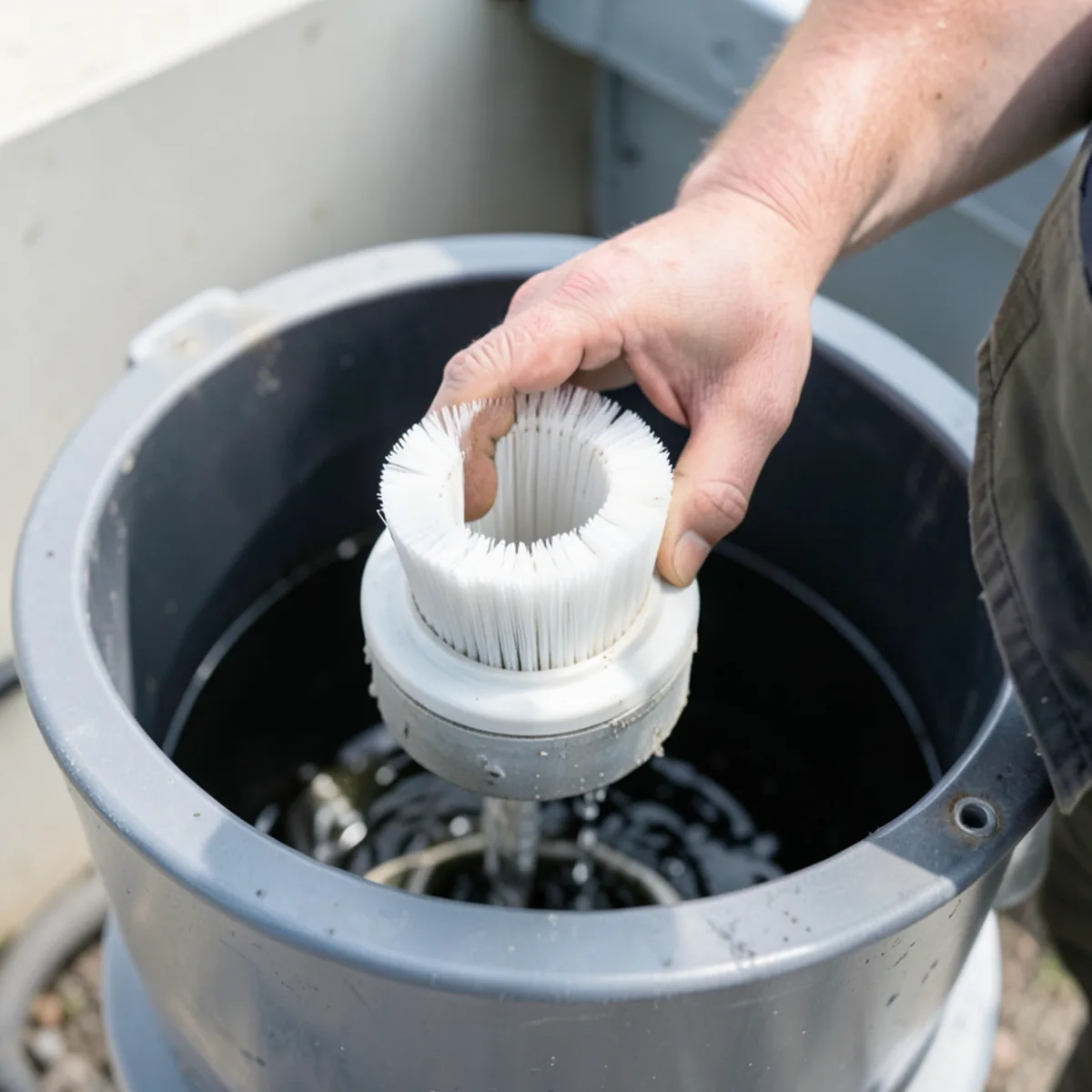
Navigating the inspection process requires understanding the distinct roles of certified septic inspectors and licensed plumbing contractors under Washington State law (Chapter 18.106 RCW). A certified on-site septic inspector evaluates the biological treatment and dispersal components: liquid levels in the primary settling chamber, sludge and scum accumulations, tank wall structural integrity, inlet and outlet sanitary baffles, effluent filter condition, pump float alarms, and drainfield lateral distribution.
However, the certified septic pumper typically does not evaluate or repair the interior condition of the building sewer line—the underground conveyance pipe running from the exterior foundation cleanout to the septic tank inlet tee. If wastewater fails to reach the septic tank during the inspection due to an upstream structural collapse, root blockage, or reverse-grade belly, the septic inspector must fail the system inspection.
Repairing, unblocking, relining, or replacing this critical conveyance line falls squarely under the scope of a licensed journeyman plumber. At Hector Plumbing Solutions, we bridge this gap by conducting high-definition CCTV video inspections of the conveyance line before the septic inspector arrives, locating hidden defects and performing certified repairs that ensure a clean pass.
Why House-to-Tank Conveyance Lines Fail in Snohomish County
Differential Settlement, Glacial Hardpan Shifts, and Legacy Materials
House-to-tank conveyance lines in Western Washington face unique geophysical stresses. Most homes in Snohomish, Monroe, and Lake Stevens sit on glacially deposited soils consisting of dense Vashon till overlain by loose, moisture-sensitive topsoil. During wet winter months, saturation causes natural soil compaction and shifting.
Because a concrete septic tank weighs several thousand pounds when filled with liquid, it naturally settles at a different rate and depth than the home's poured concrete foundation footing. Over decades, this differential settlement creates an intense structural shear plane directly at the septic tank inlet connection. The pipe snaps or dislodges at the tank collar, allowing sewage to seep into the backfill while dirt and gravel pour into the line.
Furthermore, thousands of homes constructed between 1945 and 1975 utilized bituminous fiber pipe (commonly known as Orangeburg) or unsealed bell-and-spigot concrete piping for the septic lead. Under constant moisture and soil pressure, Orangeburg pipes soften, delaminate, and deform into ovals, eventually collapsing entirely under the weight of lawnmowers or landscaping vehicles. Concrete pipes suffer mortar erosion, creating gaping joints that invite aggressive root systems from nearby Douglas fir, Western red cedar, and alder trees.
- Differential settling shear: Foundation and concrete tank settle independently, snapping the inlet pipe at the tank collar
- Orangeburg structural collapse: Bituminous tar-paper piping softens, blister-corrodes, and collapses under overburden loads
- Reverse-slope bellies: Soil subsidence causes the pipe to sag below horizontal grade, trapping paper and solids upstream
- Tree root intrusion: Douglas fir and willow taproots exploit hairline mortar joints in older vitrified clay and concrete lines
- Aggressive sewer gas corrosion: Hydrogen sulfide vapors concentrate in unvented house-to-tank runs, degrading concrete crowns
Septic Inspection-at-Sale Component Breakdown
Comparing the House Line, Tank, and Drainfield Requirements
To assist sellers and buyers in understanding compliance obligations under the 2026 rule, the following table details the primary infrastructure components evaluated during property transfer:
| Infrastructure Component | Responsible Trade | Common Failure Modes | Permitted Resolution | Typical Repair Timeline |
|---|---|---|---|---|
| House-to-Tank Conveyance Line | Licensed Plumber (Hector) | Differential shear, Orangeburg collapse, root dams | CIPP epoxy relining or seamless HDPE pipe bursting | Same day (4 to 8 hours) |
| Septic Settling Tank | Certified O&M Specialist | Cracked concrete, eroded baffles, leaking risers | Baffle replacement, riser resealing, or new tank | 2 to 5 business days |
| Effluent Pump & Alarms | Certified O&M / Electrician | Burned float switches, pump motor lockup, wiring shorts | Pump replacement, float adjustment, control panel upgrade | 1 to 2 business days |
| Absorption Drainfield | Certified O&M / Soil Scientist | Biomat clogging, surfacing sewage, crushed laterals | Lateral jetting, bio-remediation, or complete drainfield rebuild | 1 to 3 weeks (requires county permits) |
How a Pre-Listing Camera Inspection Saves Your Real Estate Transaction
Avoiding Escrow Holdbacks, Closing Delays, and Deal Cancellations
In Washington real estate transactions utilizing standard NWMLS Purchase and Sale Agreements (specifically Form 22S - Septic Addendum), the seller is legally responsible for providing an approved inspection report within a specified window (typically 10 to 14 days from mutual acceptance). If an unaddressed conveyance line defect causes an inspection failure, the transaction hits an immediate legal impasse.
Most mortgage underwriters—including FHA, VA, and conventional lenders—refuse to issue final loan approval on properties with an active health department septic failure notice. While some lenders permit an escrow holdback (typically requiring 150% of the estimated repair cost to be held from the seller's proceeds), many loan programs prohibit escrow holdbacks for environmental health hazards.
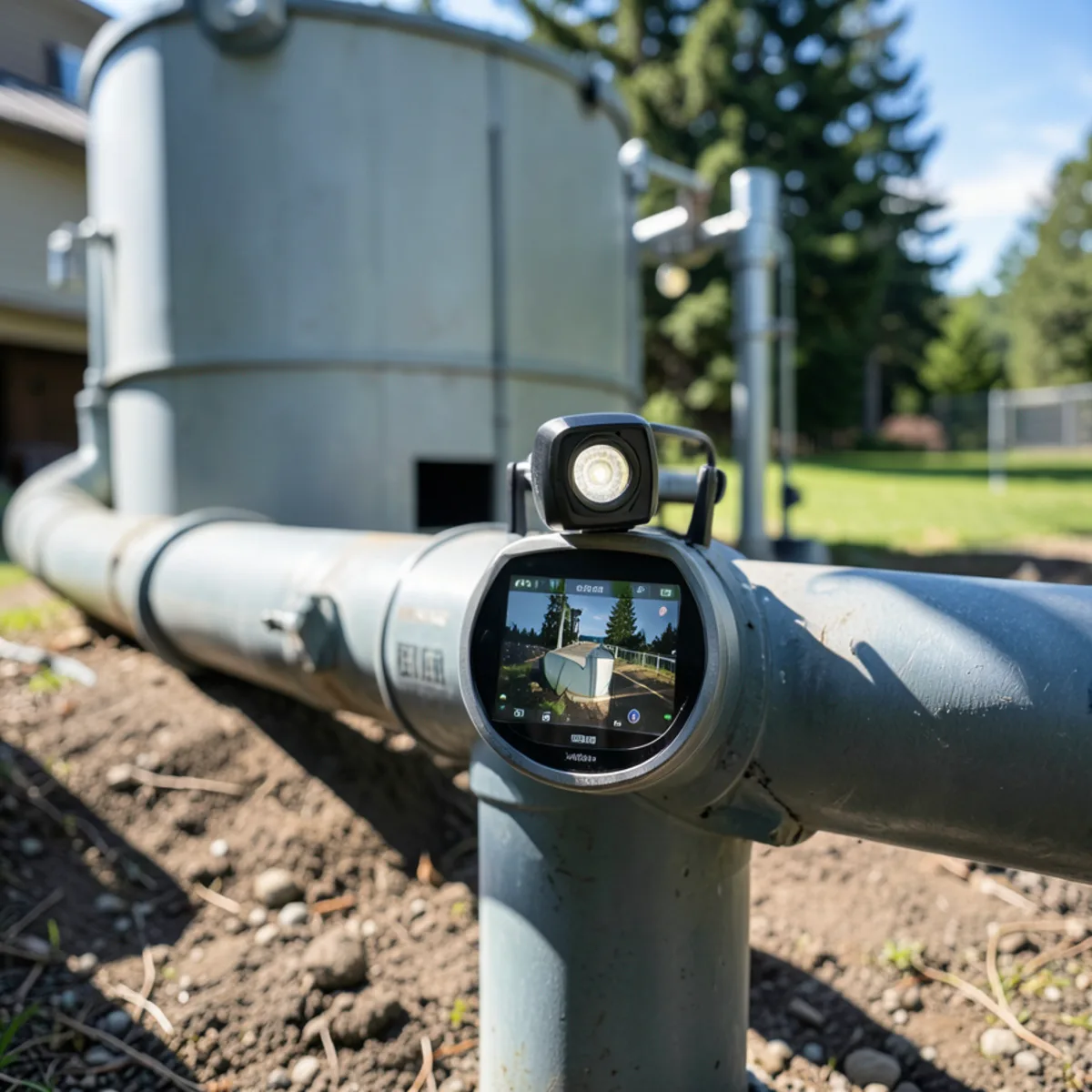
Scheduling a professional high-definition camera inspection with Hector Plumbing Solutions before listing your property eliminates this risk. Our technicians insert a self-leveling fiber-optic camera through your home's main cleanout, inspecting every foot of pipe out to the septic tank baffle. If defects are identified, we provide written video documentation, an exact locate using 512 Hz sonde transmitters, and a clear, code-compliant repair estimate.
Trenchless Repair Solutions: CIPP Relining vs Pipe Bursting
Restoring the Septic Lead Without Destroying Landscaping or Driveways
Traditional sewer excavation involves digging a deep trench through manicured lawns, asphalt driveways, mature ornamental gardens, and patio stonework to replace a 30-foot septic lead. Trenching near a septic tank also risks destabilizing the delicate soil around the tank excavation pit.
Hector Plumbing Solutions specializes in advanced trenchless sewer rehabilitation, offering two trenchless options that restore structural integrity while preserving your property:
1. Cured-in-Place Pipe (CIPP) Lining: For pipes with root penetration, joint separations, or localized cracks, we pull an epoxy-saturated seamless felt liner through the existing pipe from the cleanout. Once inflated and cured in place, the epoxy forms a rock-hard, jointless structural pipe-within-a-pipe that resists root intrusion, seals out ground moisture, and provides a 50-year design life.
2. Trenchless HDPE Pipe Bursting: When older Orangeburg or concrete lines have severely collapsed or lost structural roundness, we pull a hardened steel bursting head through the failing line. The expander head shatters the old host pipe outward into the surrounding soil while simultaneously pulling a continuous, leak-proof high-density polyethylene (HDPE) pipe directly into place. Both methods satisfy all Snohomish County and Uniform Plumbing Code structural standards with minimal surface disruption.
Health Department Paperwork & Final Transfer Verification
Securing Certified Sign-Off Before the Closing Date
Once plumbing repairs on the house-to-tank conveyance line are completed, Hector Plumbing Solutions conducts a post-repair video inspection to document flawless water flow and structural integrity. This digital recording is provided directly to the homeowner and the certified septic O&M inspector.
The septic inspector then verifies the repair, completes the official Snohomish County Health Department operational report, and submits the documentation through the county's electronic portal. The health district issues the final transfer verification certificate, clearing the title condition and allowing escrow to close on schedule.
If you are preparing to list a home in Snohomish, Monroe, Lake Stevens, Lynnwood, or anywhere across Snohomish County, do not leave your septic conveyance line to chance. Call Hector Plumbing Solutions at (321) 559-0657 to schedule a comprehensive pre-listing camera inspection today.
Frequently Asked Questions
No, the official on-site sewage operational inspection report required for title transfer must be filed by a certified septic Operations and Maintenance (O&M) specialist. However, a licensed plumbing contractor performs the camera diagnostic survey and executes all physical repairs, hydro-jetting, CIPP relining, or replacement of the building sewer line connecting the home foundation to the septic tank inlet.
Related Services & Local Coverage
Core Plumbing Disciplines
Service Areas Mentioned
Need Expert Assistance With Your Home’s Plumbing?
Call 24/7 to connect directly with an Avenue D technician ready to dispatch across Snohomish County.