
Crawlspace Plumbing Leaks: How to Spot Them Before Mold Does
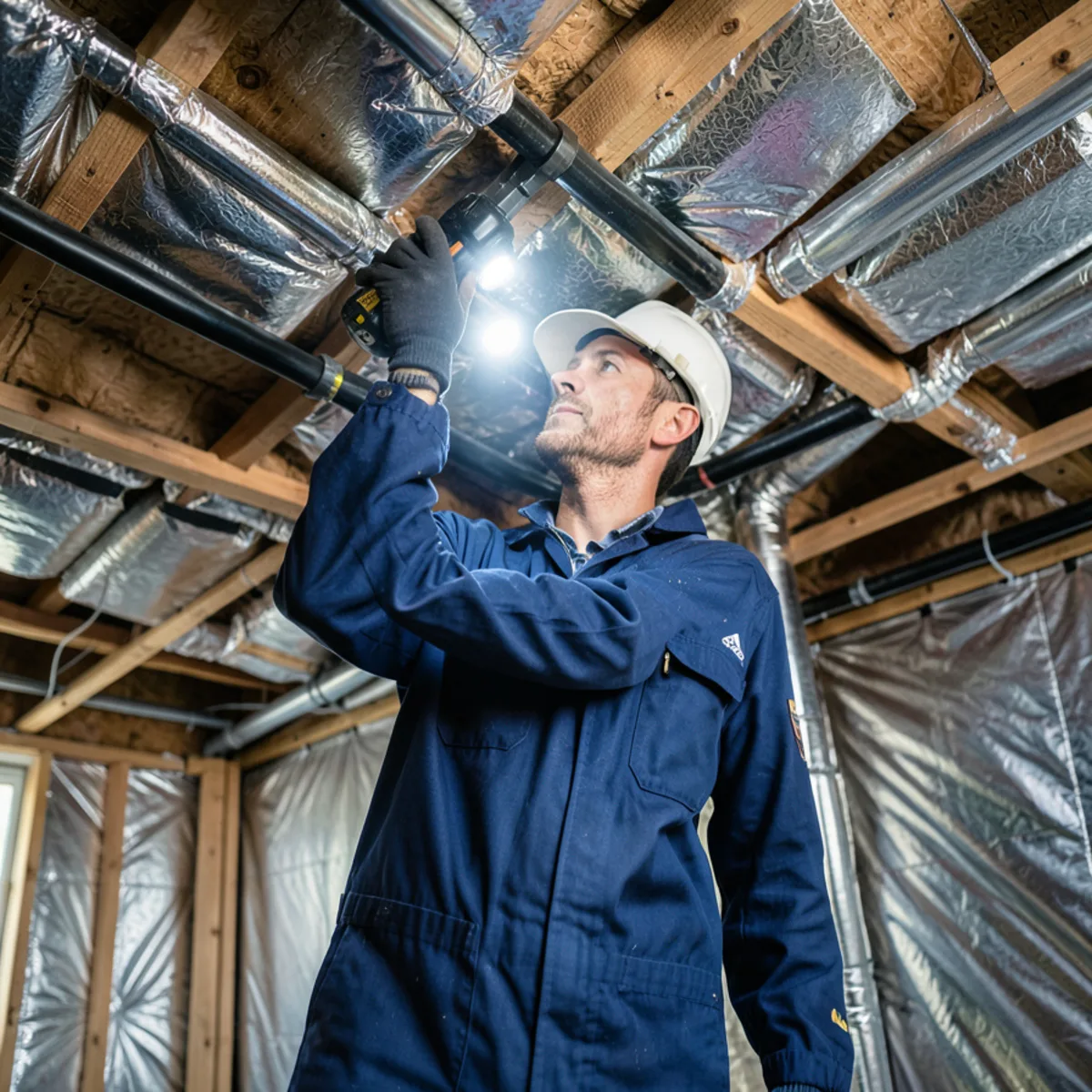
In Snohomish County, crawlspace plumbing leaks represent one of the most insidious threats to residential structural integrity, frequently releasing thousands of gallons of water into subflooring, joists, and soil for months before detection. Because a vast majority of single-family homes across Snohomish, Lake Stevens, Monroe, and Mukilteo are built over unconditioned crawlspaces, pressurized water lines and sanitary drain pipes run entirely out of sight beneath floor insulation.
Due to natural airflow dynamics known as the 'stack effect,' up to 50% of the air inside your living quarters originates directly from your crawlspace. When hidden pinhole leaks, corroded metal pipe hangers, or detached drain couplings create stagnant pools beneath your subfloor, dangerous mold colonies (including Stachybotrys) and wood-decay fungi spread rapidly. Learning how to identify concealed crawlspace leaks early using water meter checks and thermal imaging protects both your family's respiratory health and your home's structural framing.
The Stack Effect: Why Crawlspace Water Damages Your Living Space Air
How Warm Air Draws Moisture and Fungal Spores into Living Rooms
Many homeowners believe that because a crawlspace is located beneath the house, any water leak that occurs there remains isolated from the living quarters. Building science proves the exact opposite due to a continuous atmospheric phenomenon known as the 'stack effect' or chimney effect.
As warm air inside your heated living space rises and exits through upper ceilings, recessed lights, and attic vents, it creates negative air pressure in the lower levels of your home. To balance this pressure differential, air is continuously sucked upward through subfloor penetrations around plumbing pipes, electrical chases, and floor heating registers. In a typical Pacific Northwest home, roughly 40% to 50% of the air breathed on the first floor is drawn directly up from the crawlspace.
When a concealed pressurized water pipe pinhole sprays mist onto fiberglass batt insulation, or an ABS drain pipe coupling seeps greywater into the dirt, the crawlspace relative humidity surges past 80% to 90%. Toxic airborne mold spores, mycotoxins, and volatilized organic compounds (VOCs) are pulled straight up into bedrooms, kitchens, and living rooms, triggering unexplained allergies, asthma flare-ups, and persistent respiratory congestion.
Get direct advice from an Avenue D technician
We diagnose Snohomish County plumbing emergencies 24 hours a day, 7 days a week.
Early Diagnostic Symptoms: Detecting a Crawlspace Leak from Upstairs
Simple Diagnostic Steps Every Homeowner Can Perform
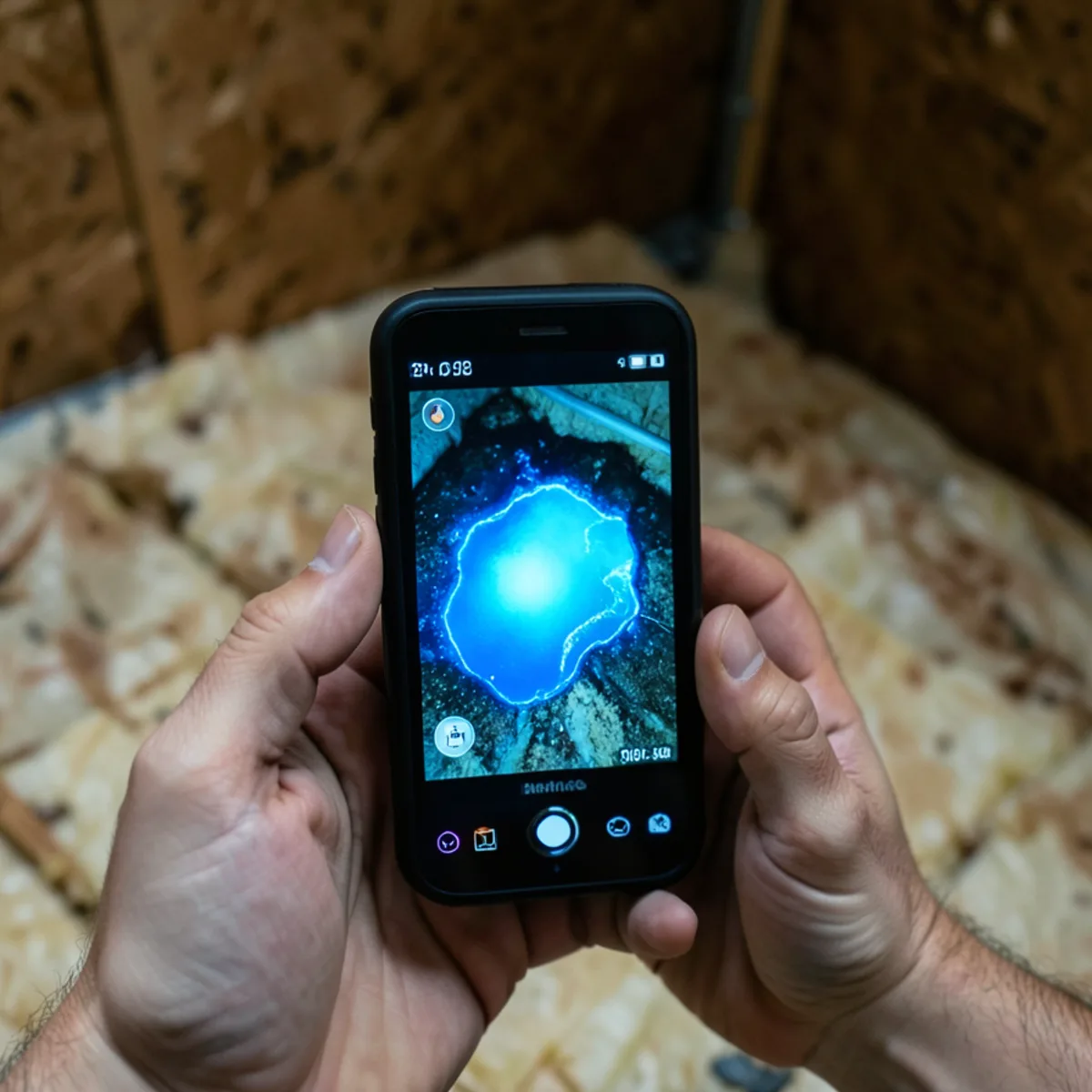
Because crawlspace access hatches are often located in dark closets or outside behind shrubbery, homeowners rarely venture down beneath their homes. However, you can identify hidden leaks early by monitoring four upstairs warning signs:
1. Water Meter Low-Flow Leak Indicator: This is the single most definitive test for pressurized potable water leaks. Turn off all faucets, washing machines, ice makers, and irrigation systems. Walk to your municipal water meter box near the curb and lift the lid. Observe the low-flow dial—typically a small red triangle, silver star, or digital flow rate display. If the dial rotates even a fraction of an inch over 10 minutes while all house taps are closed, pressurized water is escaping from a pipe beneath your home.
2. Chronic High Water Bills: An unexplained 20% to 50% spike in your municipal water bill from Everett Water, Snohomish PUD, or Cross Valley Water is often the first financial symptom of an underground pinhole leak discharging continuously 24 hours a day.
3. Persistent Earthy, Musty Odors: If you notice a damp, mushroom-like or sour earthy odor upon entering your home—especially near bathrooms or laundry rooms—damp insulation and decaying subfloor plywood beneath the floorboards are active.
4. Spongy, Warped, or Buckling Flooring: Saturated plywood subfloors lose load-bearing shear strength. If finished hardwood floors cup upward at the edges, luxury vinyl planks separate at the seams, or bathroom ceramic tiles crack underfoot, moisture is attacking the subfloor from underneath.
Failure Mechanisms: Why Pipes Rupture Beneath Snohomish County Homes
Galvanized Corrosion, Electrolysis, and Freeze Vulnerability
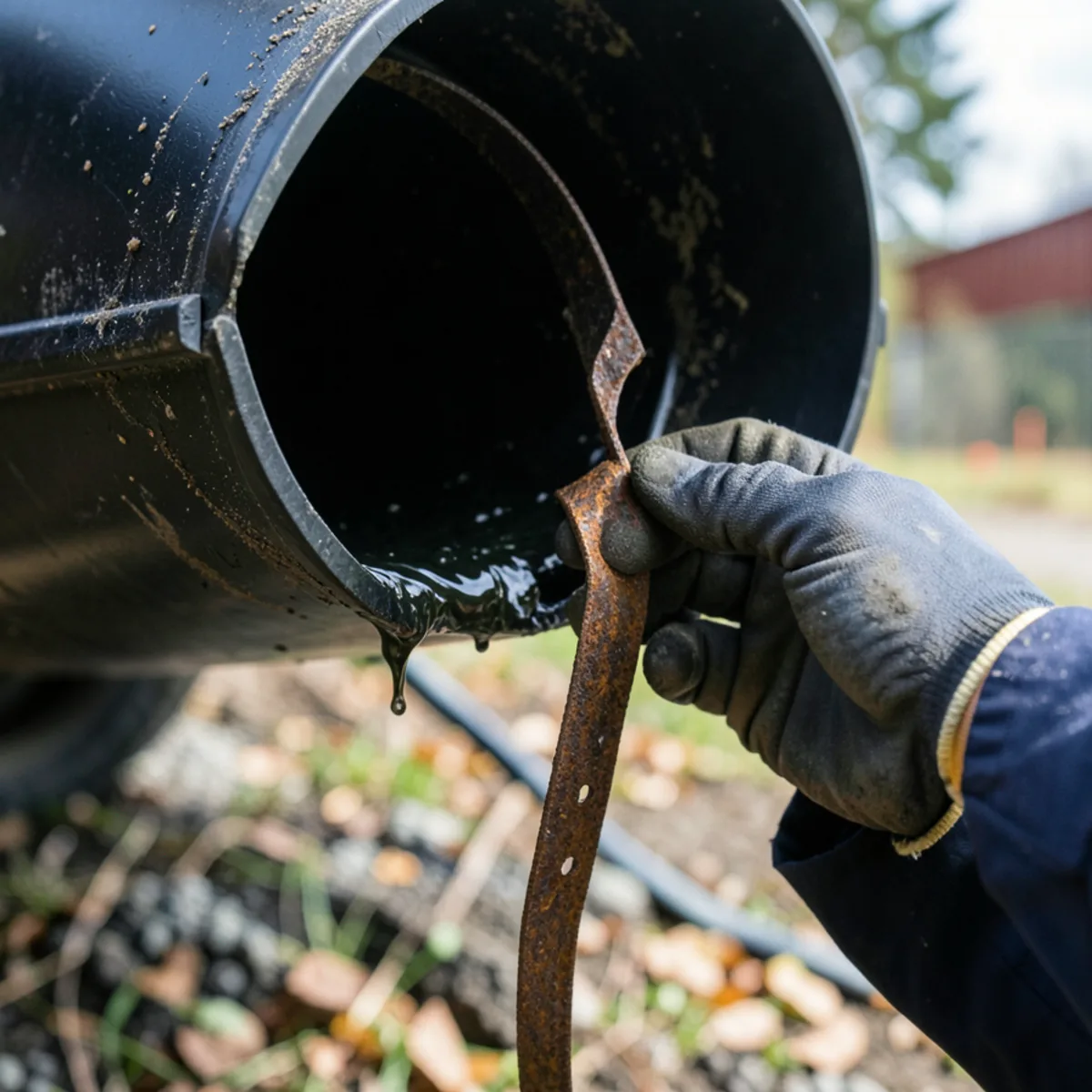
Crawlspaces in Western Washington subject plumbing infrastructure to severe environmental stresses that rarely occur inside climate-controlled interior walls:
First, older homes constructed before 1970 throughout historic Snohomish and Everett feature original galvanized steel supply lines. Decades of contact with humid crawlspace air corrodes the exterior pipe surface while internal rust scale narrows water passage, eventually eating through pipe threads and causing pinhole blowouts.
Second, in homes plumbed with copper, builders frequently secured lines to joists using galvanized steel plumber's tape or bare steel nails. When dissimilar metals touch in the presence of ambient crawlspace humidity, galvanic electrolysis occurs, rapidly pitting through the copper wall in a concentrated pinpoint hole. Furthermore, acidic soils in damp river valley locations accelerate exterior copper oxidation.
Third, black ABS drain-waste-vent (DWV) pipes suffer from inadequate support. Under the Uniform Plumbing Code, horizontal plastic piping must be supported every 4 feet. In older Snohomish crawlspaces, rusty wire hangers often snap, allowing 10-to-20-foot spans of pipe to sag into severe bellies. When heavy volumes of hot water and waste collect in the dip, the physical weight shears the solvent-welded glue joint right at the foundation wall.
- Galvanic electrolysis pitting: Bare copper lines touching galvanized metal hanger straps create pinholes
- Winter freeze vulnerability: Uninsulated pipes near foundation perimeter vents freeze and split
- Broken pipe hanger sags: Plastic ABS drain lines sag under standing wastewater, snapping glue couplings
- Vapor barrier damage: Rodents shred 6-mil plastic sheets, allowing ground moisture to corrode metal fittings
- Water hammer shock: Fast-closing laundry valves shake unsecured crawlspace pipes, loosening joints
Crawlspace Plumbing Leak Diagnostic Matrix
Comparing Leak Types, Structural Damage Risks, and Professional Solutions
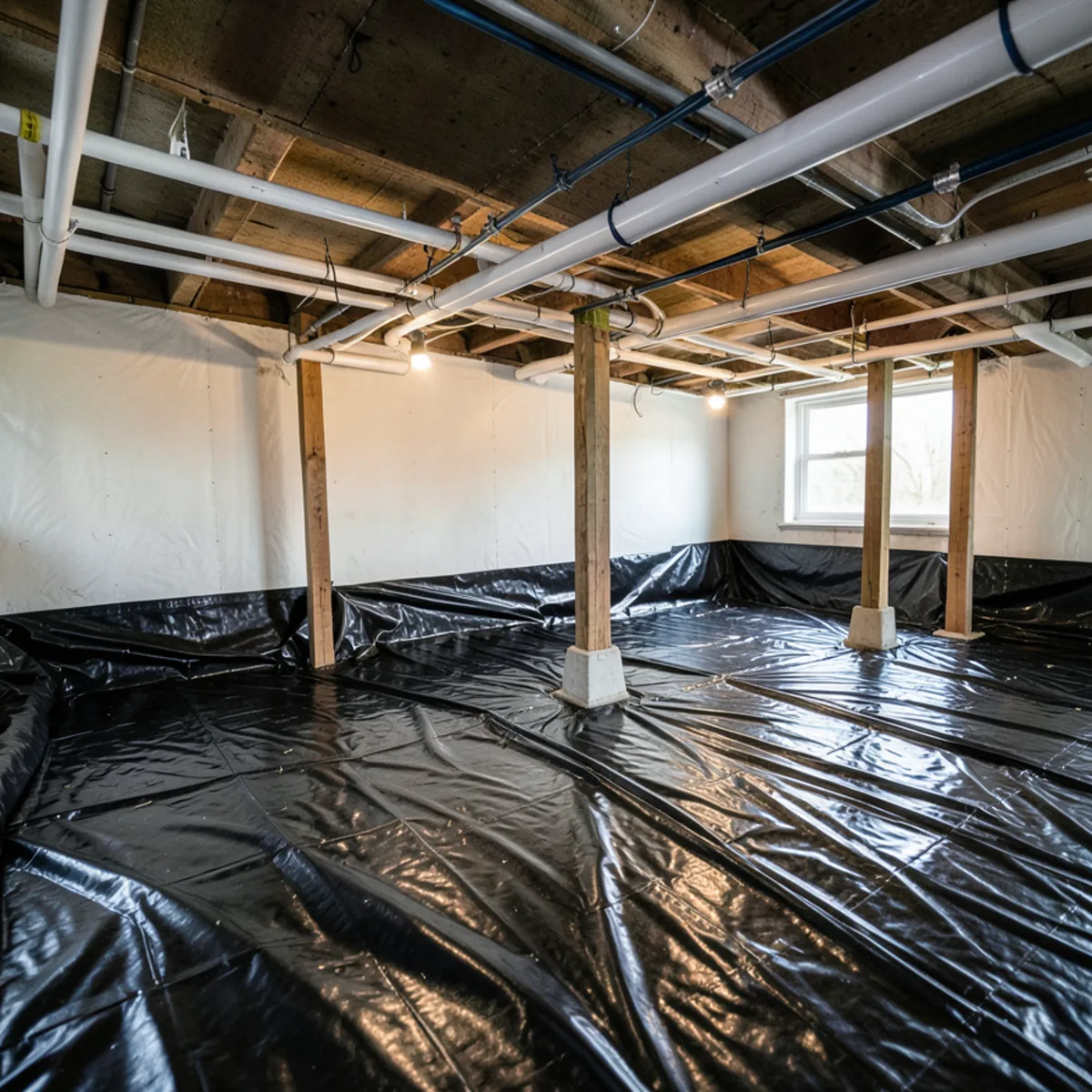
Accurately diagnosing the source and severity of a crawlspace leak ensures the correct mechanical repair is executed before structural decay compromises the home foundation:
| Observed Leak Characteristic | Probable Failure Mechanism | Structural Framing Risk | Professional Resolution | Typical Repair Timeline |
|---|---|---|---|---|
| Continuous fine spray under pressure | Copper electrolysis pinhole or freeze split | Severe (Rots floor joists & subfloor) | Surgically repipe section with Uponor PEX-A | 2 to 4 Hours |
| Intermittent sewage pooling under drain | Cracked ABS coupling or disconnected cleanout | High (Toxic bio-hazard & subfloor rot) | Rebuild DWV assembly with heavy-duty bands | 3 to 5 Hours |
| Slow weeping at pipe threaded joints | Corroded galvanized steel transition fitting | Moderate (Slow decay of rim joists) | Remove galvanized nipple; install brass transition | 2 to 3 Hours |
| High water meter spin; no visible puddles | Underground main water service split below soil | Severe (Erodes foundation footings) | Trenchless pipe pull or new PEX-A service line | 1 Day |
Advanced Diagnostic Tools: Acoustic Listening and Thermal Imaging
Pinpointing Leaks Behind Insulation Without Demolishing Subfloors
Locating a tiny pinhole leak inside an expansive, dark crawlspace packed with fallen fiberglass insulation requires specialized diagnostic technology. At Hector Plumbing Solutions, our service technicians do not guess or randomly tear down ceiling batts.
We utilize high-resolution FLIR thermal imaging cameras that detect minute temperature differentials on subfloors and insulation. Because escaping water creates an evaporative cooling or heating signature, thermal imaging reveals moisture gradients through solid subfloor wood.
For pressurized potable water lines hidden beneath earth or concrete rat-slabs, our technicians utilize electronic acoustic listening amplifiers. Highly sensitive ground microphones capture the specific sonic frequency of pressurized water escaping from a micro-fissure, allowing us to pinpoint the exact failure location within inches before making a surgical repair cut.
Professional Restoration: Uponor PEX-A Reroutes and Crawlspace Health
Permanent Plumbing Upgrades with Long-Term Moisture Protection
Once the leak is located, Hector Plumbing Solutions executes permanent, code-compliant repairs designed specifically to withstand Western Washington crawlspace conditions:
We replace corroded or brittle pipe runs with Uponor PEX-A cross-linked polyethylene. PEX-A is completely impervious to chemical electrolysis, will not corrode in damp environments, and expands up to 300% without splitting if freezing drafts enter perimeter vents. All new piping is secured to solid floor framing using non-corrosive engineered plastic talon clips spaced strictly per Uniform Plumbing Code standards.
Furthermore, all potable water lines located within 5 feet of exterior foundation ventilation openings are wrapped in closed-cell polyethylene foam insulation. We remove soaked insulation, apply botanical antimicrobial disinfectant to wood framing, and ensure a heavy continuous 10-mil polyethylene vapor barrier is sealed across the crawlspace floor.
If you suspect a hidden plumbing leak beneath your home, do not wait until structural rot or toxic mold threatens your family. Call Hector Plumbing Solutions at (321) 559-0657 to schedule a comprehensive crawlspace diagnostic inspection today.
Frequently Asked Questions
Check your municipal water meter's low-flow indicator dial with all indoor faucets turned off. If the indicator spins even slowly, water is leaking. Other upstairs indicators include unexplained spikes in your water bill, musty mildew odors, elevated indoor humidity, or spongy, warped hardwood and subfloors.
Related Services & Local Coverage
Core Plumbing Disciplines
Service Areas Mentioned
Need Expert Assistance With Your Home’s Plumbing?
Call 24/7 to connect directly with an Avenue D technician ready to dispatch across Snohomish County.